

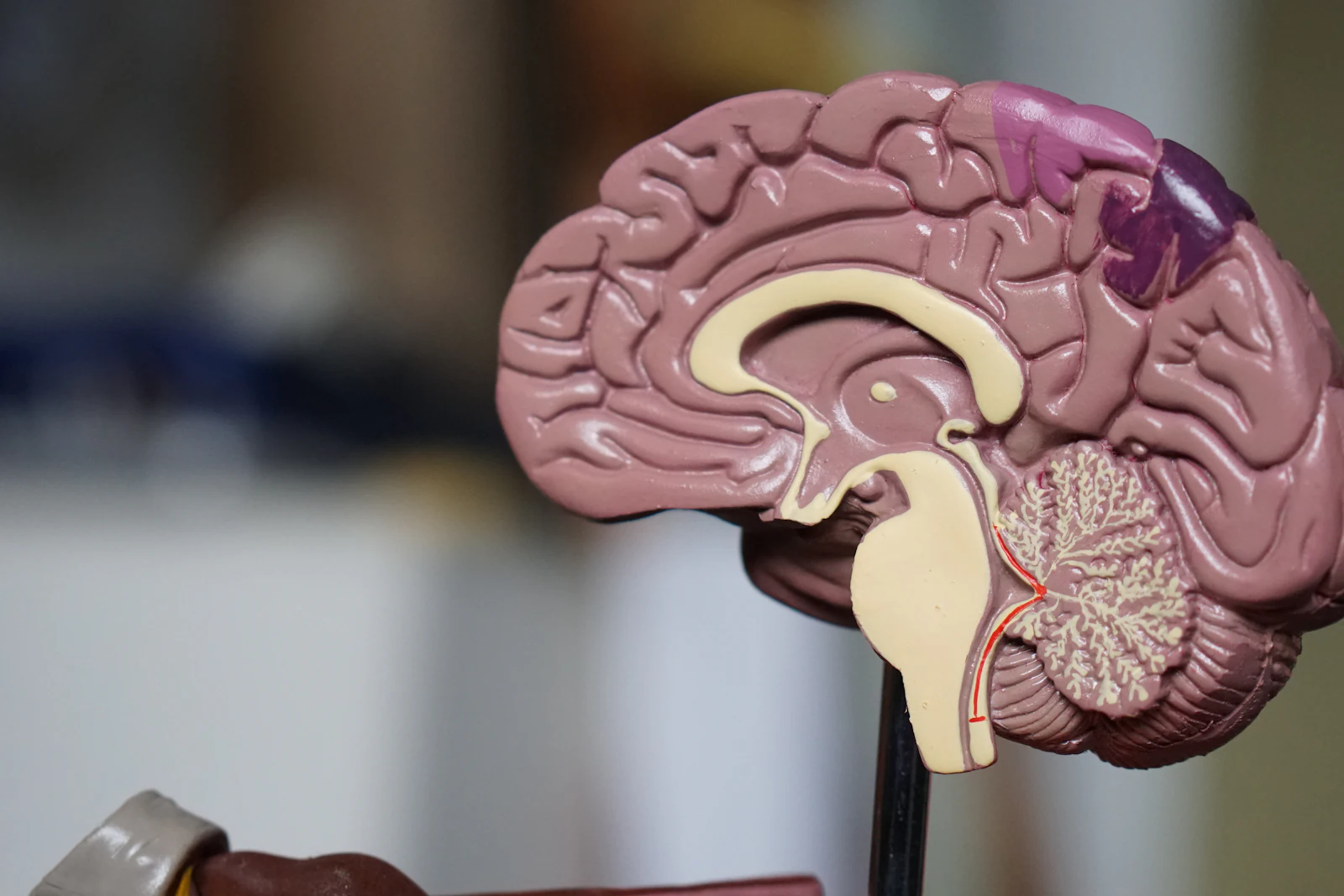
5 Morning Neuroplasticity Exercises to Sharpen Cognitive Focus and Memory
Your brain changes in response to what you repeatedly ask of it, which makes the first quiet minutes of the day an unusually good training slot. These five neuroplasticity exercises for focus take about twenty minutes together, and each targets a different part of the attention-and-memory system.
Few ideas in popular science have been stretched as far as neuroplasticity. It has been used to sell apps, headsets and seven-day programmes promising a "rewired" brain. The truth is less theatrical and more encouraging: your brain is adaptable throughout life, and ordinary, repeated practice is what shapes it.
Mornings are not magic, but they are practical. Your attention has not yet been splintered by messages, and a short routine attached to an existing habit — making tea, opening the curtains — is far easier to keep than one squeezed in at night.
What follows is an educational guide built on general findings from cognitive science, not a treatment for any condition. Treat each exercise as a skill to practise rather than a pill to swallow.
What neuroplasticity is — and what it isn't
Neuroplasticity describes the brain's capacity to change its structure and function in response to experience. Connections between neurons that are used together tend to strengthen; unused ones weaken. Learning a language, recovering after a stroke and getting better at chess all depend on it.
What it is not is a switch. Meaningful change usually requires repetition over weeks and months, appropriate challenge and adequate sleep, which is when much of the consolidation of new learning appears to happen. Plasticity also works in both directions: habits of constant distraction are learned, too.
Be wary of any product promising to transform your intelligence in days. The more modest and accurate promise is that you can become measurably better at the specific skills you practise, and that some of those skills — like holding attention — are useful almost everywhere.
Five neuroplasticity exercises for focus and memory
Each exercise below includes simple steps, the reasoning behind it, and a way to make it harder as you improve. Progression matters: the brain adapts to challenge, so a task that has become effortless has stopped teaching you much.
1. Focused-attention breathing
This is the simplest form of meditation, and a direct workout for the ability to notice when your mind has wandered and bring it back.
- Sit upright somewhere quiet and set a timer for five minutes.
- Rest your attention on the sensation of breathing at the nostrils or belly.
- Silently count each out-breath from one to ten, then start again.
- When you lose count or drift into thought, note it without judgement and return to one.
Why it may help: Research on mindfulness and focused-attention meditation suggests regular practice can improve aspects of sustained attention and emotional regulation. The key repetition is the moment of catching a wandering mind — each one is a rep.
How to progress: Extend the session by a minute each week, or drop the counting and simply follow the breath, which offers less scaffolding.

2. A brisk aerobic burst
Movement is not usually filed under brain training, but it may be one of the most valuable things you can do for the organ.
- Choose something you can start immediately: a fast walk, stair climbs, skipping or a bodyweight circuit.
- Warm up for a minute, then move briskly enough that talking becomes effortful.
- Keep going for three to five minutes, then ease off.
Why it may help: Studies suggest even single bouts of aerobic exercise can briefly sharpen attention, and regular exercise is linked to better long-term brain health, partly through increased blood flow and growth factors such as BDNF that support neural plasticity. The same habits also build cellular energy, as we explore in our guide to mitochondrial health.
How to progress: Add short hills or faster intervals, or extend the burst. If you have a heart condition or other health concerns, check with your doctor before increasing intensity.
3. Working-memory drills
Working memory is your mental scratchpad: the ability to hold and manipulate a few pieces of information at once, such as a phone number while you dial it.
- Try a dual n-back app or a simple digit-span drill: have someone read, or record yourself reading, a string of digits.
- Repeat the digits back, then try them in reverse order.
- Practise for four to five minutes, stopping before you become frustrated.
Why it may help: People reliably improve on the drills they practise. Whether that spills over into general intelligence or everyday focus — so-called far transfer — is genuinely debated among researchers, and reviews have reached differing conclusions.
How to progress: Increase the length of the sequence or the n-back level, but treat this as one modest ingredient, not the whole recipe.
4. Learning a new motor skill
Novel physical skills demand concentrated attention, precise feedback and repetition — the ideal conditions for learning.
- Pick something genuinely unfamiliar: writing or brushing your teeth with your non-dominant hand, juggling, or a few bars on an instrument.
- Practise slowly and accurately for three to five minutes, focusing on quality over speed.
- Notice errors and correct them deliberately rather than rushing through.
Why it may help: Research on skill learning, including studies of musicians and jugglers, has found changes in brain regions involved in the practised movements. Above all, the task forces sustained, single-pointed attention.
How to progress: Once the skill feels automatic, add complexity — a third juggling ball, a harder piece of music, or full sentences written with the other hand.
5. Retrieval practice journaling
Retrieval practice — pulling information out of memory rather than rereading it — is one of the best-supported techniques in the science of learning.
- Open a notebook and, without looking anything up, write down what you remember from something you read, heard or learned yesterday.
- Then check the source and note what you missed or got wrong.
- Every few days, revisit older entries and try to recall them again before reading.
Why it may help: The effort of recall strengthens memories more than passive review, and spacing those recalls out over days improves long-term retention. It also trains you to read and listen more attentively, knowing you will be tested.
How to progress: Lengthen the gaps between reviews, or recall more demanding material, such as the argument of a whole chapter.
Every time you notice your mind has wandered and bring it back, you have completed one repetition of the most useful exercise there is.
A 20-minute morning routine
Here is one way to combine all five. Movement comes first to wake you up; the quieter exercises follow while you are alert.
| Minutes | Exercise | What it trains |
|---|---|---|
| 0–4 | Brisk aerobic burst | Alertness and arousal |
| 4–9 | Focused-attention breathing | Sustained attention and noticing distraction |
| 9–13 | Working-memory drill | Holding and manipulating information |
| 13–17 | New motor skill | Concentrated learning and coordination |
| 17–20 | Retrieval journaling | Recall and long-term memory |
Short on time? Breathing plus retrieval journaling makes a solid eight-minute version. Doing a little every day beats a heroic session once a week.
How to make the gains last
The exercises are only half of the story. Plasticity depends on the conditions around the practice.
- Sleep well. Much memory consolidation appears to happen during sleep, so a late night undoes more than it seems.
- Protect the first hour. Delaying email and social feeds keeps the attention you have just trained from being immediately scattered.
- Single-task. Focus is a habit; working on one thing at a time through the day reinforces the morning's practice.
- Track lightly. A note of your digit span or breath-count streak shows progress without turning the routine into a chore.
When to see a professional
Everyday lapses — misplacing keys, forgetting a name — are normal, especially when you are tired or stressed. But memory and concentration problems can also reflect treatable issues such as depression, anxiety, sleep disorders, thyroid problems, vitamin deficiencies, medication side effects or neurological conditions.
The bottom line
Neuroplasticity exercises for focus are not a shortcut to a new brain; they are a structured way to practise the skills you want to strengthen. Breathing trains attention, movement supports the brain's biology, working-memory drills stretch your mental scratchpad, motor skills demand total concentration and retrieval practice makes learning stick.
Twenty minutes each morning, repeated for months and supported by good sleep, is a realistic and honest prescription. Expect gradual improvement in the things you practise, stay sceptical of dramatic promises, and see a professional if your memory concerns you.
Frequently asked questions
How long does it take to notice results?
Many people notice that focused breathing feels easier within a few weeks of daily practice, and drill scores usually rise quickly. Broader changes in concentration tend to be gradual and depend on consistency, sleep and how you work the rest of the day.
Do brain-training apps actually work?
They reliably make you better at the trained games. Whether those gains transfer to everyday memory or intelligence is debated, so use apps as one tool alongside exercise, sleep and real-world learning.
Is it better to do these exercises before or after coffee?
Either works. Some people find a short routine before caffeine helps them notice their natural alertness, but the best time is whichever you will stick to every day.
Can these exercises prevent dementia?
No exercise routine can guarantee that. Research links physical activity, ongoing learning, social connection and good cardiovascular health with better brain ageing, but anyone worried about memory decline should speak to a doctor.