

How to Design an Eco-Friendly Smart Home Ecosystem from Scratch
Most smart homes are assembled one impulse purchase at a time, and it shows: five apps, three hubs and a thermostat nobody quite trusts. Eco-friendly smart home design works the other way round. It starts with the building, commits to one coherent ecosystem, and only then adds devices that earn their place by cutting the energy you actually use.
The connected home is usually sold as convenience. But convenience is not sustainability, and a house full of always-on gadgets can quietly consume more power than it saves. The goal here is a system in which every sensor, switch and schedule exists to reduce waste.
That requires thinking like an architect rather than a shopper. Before choosing a single bulb, you need to understand how your home loses heat, which platform will tie everything together for the next decade, and how your electricity is priced. Get those decisions right and the devices almost choose themselves. A phased roadmap at the end pulls it all together.
Start with the building, not the gadgets
No automation can compensate for heat escaping through an uninsulated loft or a draughty front door. Heating and cooling account for a large share of household energy use in most climates, so the most effective eco upgrades are often the least glamorous: loft and wall insulation, draught-proofing around doors, windows and floorboards, and well-fitted curtains or blinds.
If you are planning a renovation, consider a professional energy assessment, which identifies where heat is lost and ranks improvements by impact.
Then look at the heating system. Heat pumps, which move heat rather than generate it by burning fuel, are widely regarded as one of the most efficient ways to heat a home, particularly with good insulation and low-temperature radiators or underfloor heating. They also suit smart controls, because they perform best when run steadily.
Choosing a smart home ecosystem
Your ecosystem is the platform that connects devices and runs automations. Choosing it first prevents the classic failure: a drawer of incompatible gadgets, each demanding its own hub and account.
Why Matter and Thread are worth prioritising
Matter is an open connectivity standard developed by the Connectivity Standards Alliance, with backing from the major platform companies. A Matter-certified device is designed to work across compatible ecosystems, so a plug or sensor you buy today is less likely to be stranded if you switch platforms later.
Thread is a low-power mesh network that many Matter devices use, letting battery-powered sensors run for long periods. It needs a border router, a role built into many recent smart speakers, hubs and streaming boxes.
The main platforms, in brief
- Apple Home suits iPhone households and emphasises privacy; a home hub such as an Apple TV or HomePod enables remote access and automations.
- Google Home integrates closely with Nest thermostats, cameras and displays, and with Android phones.
- Amazon Alexa offers a very broad device catalogue and voice control across Echo speakers.
- Home Assistant is open-source software you run on your own hardware, trading some technical effort for deep customisation, detailed energy dashboards and largely local operation.
Compatibility changes frequently, so check each platform's official documentation for current Matter support before you buy.
Local control is a sustainability feature
Devices that run automations locally respond faster and keep working when the internet drops. They are also less vulnerable to a manufacturer switching off a cloud service, one of the quieter drivers of electronic waste.
Measure before you automate
You cannot reduce what you cannot see. A whole-home energy monitor, typically a current clamp fitted by a qualified electrician or a display paired with your smart meter, shows consumption in near real time. Metering smart plugs add device-level detail.
Spend a few weeks simply watching. The surprises are often the background load: devices on standby, an ageing garage fridge, a towel rail left on all year. That baseline also shows later whether an automation is genuinely helping.
Smart thermostats and zoning
A smart thermostat follows or learns your schedule and lowers the temperature when the house is empty. Geofencing, which uses your phone's location to know when everyone has left, does this without anyone needing to remember.
Zoning goes further. Smart radiator valves or multi-zone systems heat only the rooms in use, and contact sensors can pause heating while a window is open. With heat pumps, follow the installer's guidance: they usually prefer gentle, consistent operation over aggressive setbacks, and the smartest control is sometimes the one that changes least.
Lighting that switches itself off
LED bulbs already use a fraction of the energy of incandescent lamps, so the remaining gains come from not using light you do not need. Occupancy sensors in hallways and bathrooms turn lights off reliably, and daylight sensors dim fixtures when natural light is sufficient.
Consider smart switches rather than smart bulbs: a switch works with any efficient bulb, stays usable for guests and survives bulb replacements.
Appliance scheduling and time-of-use tariffs
Many suppliers now offer time-of-use tariffs, with cheaper electricity during off-peak periods, often overnight, when grid demand is lower. Shifting flexible loads into those windows can lower both your bills and the strain on the network.
Good candidates include dishwashers, washing machines, hot water cylinders and electric vehicle charging. Many appliances have delay-start timers; smart plugs or platform integrations can automate the rest. Tariffs vary widely, so compare current offers with suppliers, and follow manufacturer safety guidance on running appliances unattended.
The most sustainable automation is rarely the cleverest one. It is the one that quietly moves energy use to a better hour and never needs to be thought about again.
Integrating solar panels and a home battery
Rooftop solar changes the logic of an automated home. Instead of chasing cheap overnight power, you direct flexible loads to the middle of the day. Smart platforms can read many inverters and trigger appliances or EV chargers when surplus power would otherwise be exported.
A home battery stores daytime generation for the evening, and some can also charge from the grid off-peak. Whether one makes sense depends on your consumption, export rates and local rules; there is no universal answer.
Ask installers whether the proposed inverter and battery expose data to third-party platforms, how firmware updates are handled and what the warranty covers. Choose accredited installers, get more than one quote, and confirm any grid connection approvals your network operator requires.
Privacy and security without the paranoia
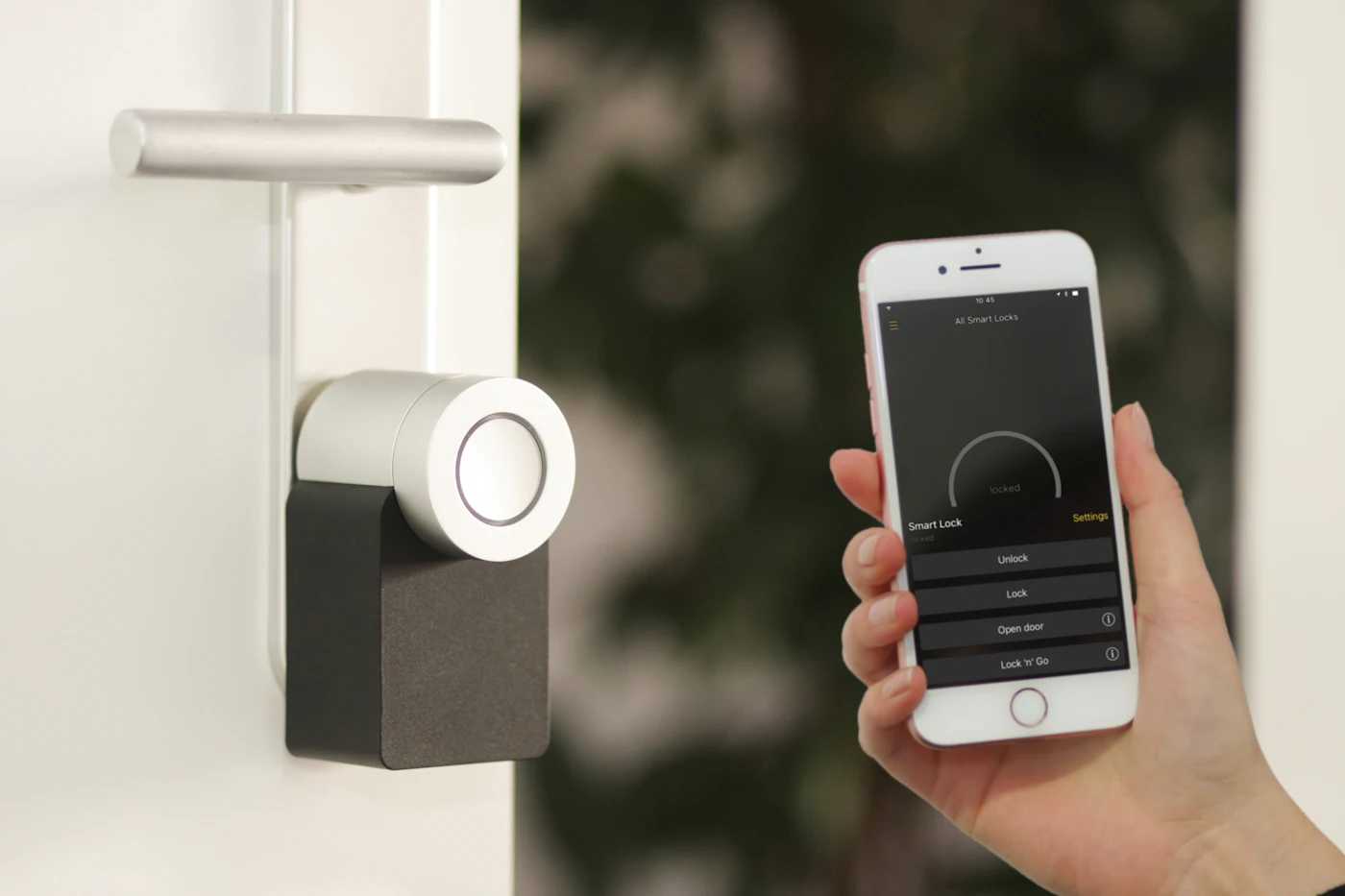
Every connected device is a small computer on your network, and an insecure one can expose cameras, door locks or personal data. The basics are straightforward and do most of the work:
- Change any default passwords immediately and use unique credentials stored in a password manager.
- Turn on two-factor authentication for every platform account.
- Install firmware updates promptly, and favour brands that publish support periods.
- Put smart devices on a separate guest or IoT network so a compromised plug cannot reach your laptop.
- Switch off features you do not use, such as microphones in rooms that do not need them.
For your rights over the data these devices collect, see our guide to the new digital privacy acts.
Longevity and e-waste: buy fewer, better devices
A smart device's environmental cost begins long before it is plugged in, in mining, manufacturing and shipping. A gadget that saves a little energy but is discarded after a few years can be a net loss, so the greenest smart home is usually a lean one.
Before buying, ask whether a simple timer or a better habit would solve the problem. When a device is justified, favour replaceable batteries, published support periods and Matter certification. Resist upgrading working hardware for marginal features, and at end of life use an electronics recycling or take-back scheme rather than household waste.
A phased roadmap for eco-friendly smart home design
Spreading the work over phases keeps costs manageable and lets each stage inform the next.
| Phase | What to do | Why it matters |
|---|---|---|
| 1. Fabric | Energy assessment, insulation, draught-proofing, better glazing or blinds | Reduces the demand every later system has to meet |
| 2. Foundation | Choose an ecosystem, set up a reliable network with a separate IoT segment, add a Thread border router | Prevents lock-in and incompatible purchases |
| 3. Measurement | Install whole-home energy monitoring and a few metering smart plugs | Establishes a baseline and reveals hidden loads |
| 4. Heating and light | Smart thermostat, zoning valves, occupancy and contact sensors, smart switches | Targets the largest and most frequent energy uses |
| 5. Scheduling | Move flexible appliances to off-peak periods with timers and automations | Cuts costs and eases peak demand on the grid |
| 6. Generation and storage | Solar, battery and heat pump integration through qualified installers | Lets the home use more of its own clean energy |
| 7. Review | Check the data, retire unneeded automations, keep firmware current | Keeps the system lean, secure and effective |
The bottom line
Eco-friendly smart home design is less about buying technology than about sequencing decisions well. Insulate and heat efficiently first, commit to one interoperable smart home ecosystem, measure honestly, and only then automate the loads that matter most. Each step makes the next one cheaper and more effective.
Treat the system as something to maintain rather than finish: review the data every few months, prune automations that no longer earn their place, and resist the upgrade cycle. A home that uses less, lasts longer and stays secure is the real measure of a smart one. If you are rethinking the rooms as well as the wiring, our guide to minimalist living room ideas for small spaces applies the same less-but-better thinking to furniture and layout.
Frequently asked questions
Do I need a hub for a Matter smart home?
Matter devices need a controller, and Thread-based devices also need a Thread border router. Many recent smart speakers, displays and streaming devices from the major platforms fill one or both roles, so a separate hub is often unnecessary. Check your chosen platform's official compatibility information.
Is a smart thermostat worth it with a heat pump?
It can be, provided it is compatible with your heat pump and configured with your installer's guidance. Heat pumps typically run most efficiently at steady, lower flow temperatures, so the value usually comes from scheduling, zoning and monitoring rather than large temperature swings.
Can a smart home actually use more energy?
Yes. Every hub, speaker, camera and plug draws some standby power, and devices with screens or continuous video draw more. That is why measurement and restraint matter: a device should save more energy, or deliver more genuine value, than it consumes and costs to make.