
A Foodie’s Secret Map to the Best Street Food Markets in Tokyo
Tokyo does not have street food in the way Bangkok or Mexico City does; it has something subtler — markets, shopping streets and lantern-lit alleys where the city snacks standing up. This map to the best street food markets in Tokyo shows you where to go, when to arrive and what to order, from dawn tamagoyaki to midnight yakitori.
Visitors arriving in Tokyo expecting night markets often feel a flicker of disappointment. Food carts are rare, and the pavements are mostly clear. Look a little closer, though, and you find a food culture organised around place: a shopping street where the butcher fries croquettes at the counter, an alley of six-seat bars under a railway line, a basement food hall that rivals any market in Europe.
This guide gathers the places we consider most rewarding for curious eaters, chosen through research and editorial judgement rather than paid placement. Some are famous, others are neighbourhood streets few tourists reach. All reward an empty stomach and a little patience.
How Tokyo's street food actually works
Most of what you will eat comes from fixed shops with a hatch or counter facing the street. A shōtengai is a covered or open shopping street serving a residential neighbourhood; a yokochō is a narrow alley of tiny bars and grills, many dating from the post-war decades. Markets such as Tsukiji's outer market blend wholesale heritage with stalls for the public.
Then there is the depachika, the food floor in the basement of a department store. It is not street food in the strict sense, but for variety, quality and sheer theatre it belongs on any serious eater's map.
The best street food markets in Tokyo, stall by stall
Tsukiji Outer Market
The wholesale fish market moved to Toyosu in 2018, but the outer market stayed, and it remains Tokyo's great morning feast. Narrow lanes pack in knife shops, dried-goods merchants and counters selling seafood rice bowls, grilled scallops and oysters.
The signature snack is tamagoyaki, a sweet, layered rolled omelette sold in thick slices or on a stick. Go early in the day, when the energy is highest, and note that many shops close on Sundays and some midweek days. Several businesses ask visitors not to eat while walking, so use the standing areas provided.
Ameya-Yokochō (Ameyoko), Ueno
Running beside and beneath the railway tracks between Ueno and Okachimachi stations, Ameyoko began as a post-war black market and still has a brash, bargaining energy. Vendors shout prices for seafood, sweets and dried fruit, and the food has grown increasingly international.
Look for grilled skewers, fresh fruit on sticks, seafood bowls and a cluster of standing izakaya under the arches. Late afternoon into evening is the liveliest time, when office workers stop for a beer and something hot from the grill.
Omoide Yokochō, Shinjuku
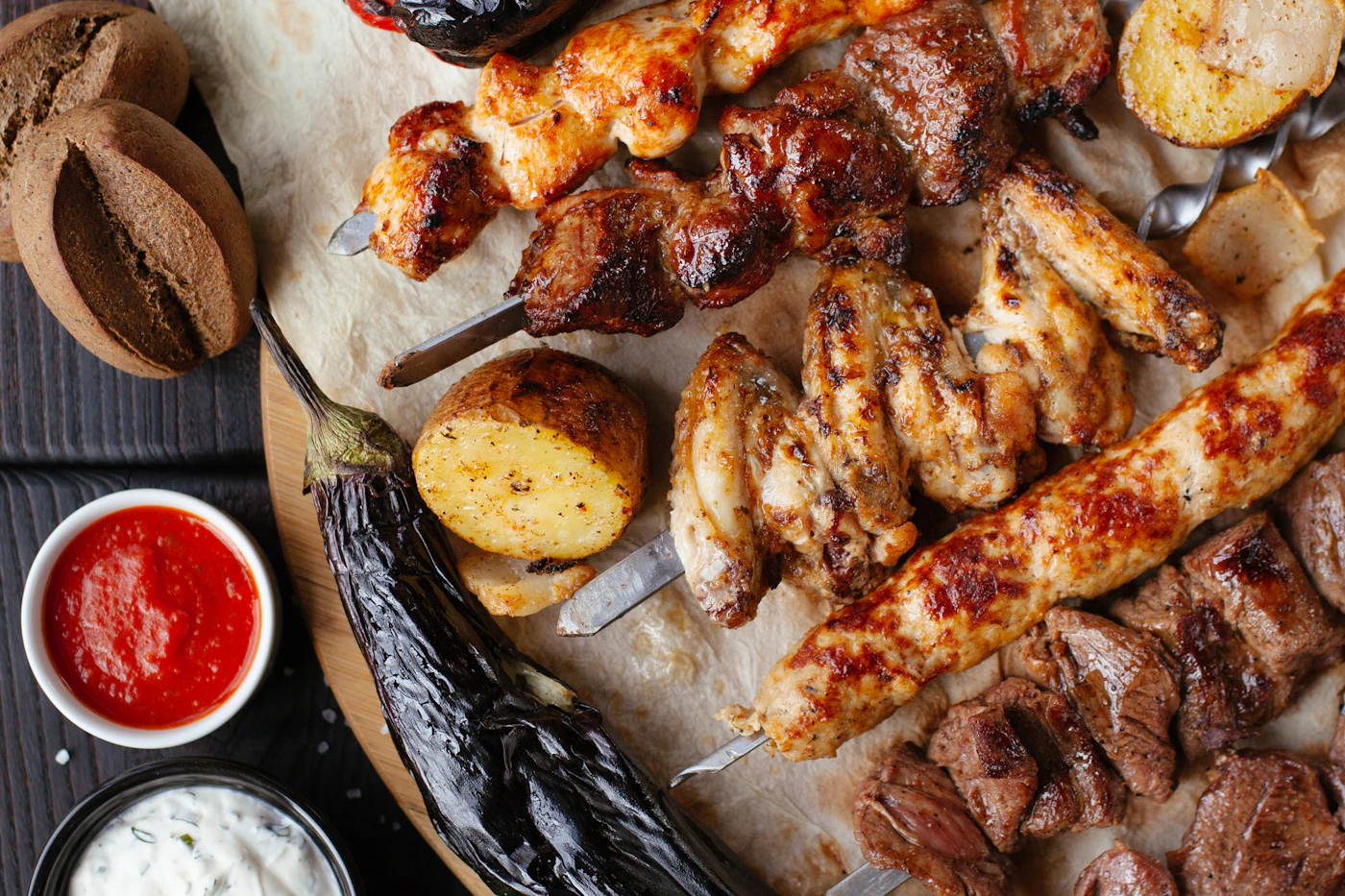
Squeezed beside the tracks near Shinjuku Station's west side, Omoide Yokochō — "Memory Lane" — is a smoky warren of tiny bars, many seating only a handful of people. The speciality is yakitori: chicken thigh, skin, hearts and spring onion, grilled over charcoal and seasoned with salt or a sweet soy glaze.
Arrive early in the evening for the best chance of a seat. Some bars add a small table charge or serve a compulsory starter, which is normal izakaya practice, and a few prefer regulars or limit photography. A polite glance and a gesture asking if there is room goes a long way.
Nakamise-dōri, Asakusa
The approach to Sensō-ji, Tokyo's oldest temple, is lined with stalls that have served pilgrims and sightseers for generations. Try ningyō-yaki, small cakes filled with sweet red bean and stamped into shapes, along with rice crackers, deep-fried manjū and skewers of kibi dango.
Come in the morning before the tour groups or towards the end of the day. The street asks visitors not to eat while walking, so step to the side or stand by the stall that sold you your snack.
Yanaka Ginza
Reached by descending the Yūyake Dandan, the "sunset steps", Yanaka Ginza is a short, cheerful shopping street in one of Tokyo's best-preserved old neighbourhoods. It is known for menchi-katsu, breaded and fried minced-meat cutlets, croquettes, rice crackers and cat-themed sweets that nod to the area's many feline residents.
Afternoons are pleasant, and the surrounding temples and lanes make an easy walk. Pair it with Ameyoko, which is only a short train ride away.
Tokyo hides its street food in plain sight: not on carts, but at counters, in alleys and beneath department stores.
Togoshi Ginza, Shinagawa
Often described as one of Tokyo's longest shopping streets, Togoshi Ginza is a deeply local strip where family butchers, grocers and delis serve neighbourhood regulars. Croquettes are the local pride, alongside yakitori, fried chicken and seasonal sweets.
It feels a world away from central Tokyo, which is precisely the appeal. Go on a weekday afternoon to see it as residents do.
Sunamachi Ginza, Kōtō
East of the river, Sunamachi Ginza is an old-fashioned shōtengai beloved for oden, the comforting broth-simmered stew of fish cakes, daikon and eggs, plus croquettes and ready-made sōzai dishes. Its slightly faded, down-to-earth charm is half the reason to go.
Afternoons are best, when the delis are fully stocked and older residents are doing their shopping. Cooler months are ideal for oden.
Harmonica Yokochō, Kichijōji
Just outside Kichijōji Station's north exit, this tight grid of lanes earned its name because the narrow stalls resemble the reeds of a harmonica. By day it sells fish, sweets and household goods; by night its small bars and grills fill with a younger crowd.
Expect yakitori, gyōza and other izakaya plates, and combine your visit with a stroll in nearby Inokashira Park. The neighbourhood also has a strong menchi-katsu tradition, and queues at the most popular counters are part of the experience.
Depachika food halls
Department-store basements in districts such as Shinjuku, Ginza and Nihonbashi offer immaculate bento, sushi, tempura, seasonal wagashi sweets and pastries. Many offer reductions shortly before closing. Since eating inside is rarely allowed, take your haul to a nearby park or back to your room.
Street food etiquette in Tokyo
Tokyo's food culture runs on quiet, shared courtesy. A few habits will make every stop smoother.
- Eat near the stall. Walking while eating is widely discouraged; stand by the vendor or in a designated area until you finish.
- Carry your rubbish. Public bins are scarce. Return skewers and wrappers to the stall when invited, or bring a small bag.
- Bring cash. Card and IC-card payments are increasingly common, but many small stalls and bars still prefer or require cash.
- Respect the queue. Lines are orderly and taken seriously; join the back and wait your turn.
- Ask before photographing. Especially inside tiny bars, where other diners value their privacy.
Dietary needs and allergies
Japanese food can be tricky for some diets. Dashi, the stock behind oden, many sauces and countless snacks, is usually made with bonito fish flakes, so dishes that look vegetarian often are not. Soy sauce contains wheat, which matters for people avoiding gluten.
Fried items may share oil, and sweets frequently contain egg or dairy. Plant-based options exist — roasted sweet potato, rice crackers, mochi, some onigiri and tofu dishes — but always ask.
A sample one-day street food route
This route links several stops by train in a logical loop. Treat timings as loose guidance, and check each place's current opening days and hours before you go.
| Time of day | Stop | What to try | Tip |
|---|---|---|---|
| Early morning | Tsukiji Outer Market | Tamagoyaki, grilled seafood | Avoid days when many shops close |
| Late morning | Nakamise-dōri, Asakusa | Ningyō-yaki, rice crackers | Eat beside the stall, not on the move |
| Early afternoon | Yanaka Ginza | Menchi-katsu, croquettes | Walk the old temple lanes afterwards |
| Late afternoon | Ameyoko, Ueno | Skewers, fresh fruit | Keep cash ready for small stalls |
| Early evening | A Shinjuku depachika | Bento, wagashi | Look for reductions near closing |
| Night | Omoide Yokochō | Yakitori, a cold drink | Expect small table charges |
For up-to-date visitor information, Japan's national tourism organisation at japan.travel is a reliable starting point. If a food-led trip has you dreaming about a longer stay somewhere, our guide to underrated European towns for remote workers covers seven bases with excellent markets of their own.
The bottom line
The best street food markets in Tokyo reward the visitor who slows down. Start with Tsukiji and Ameyoko, then go further afield to Yanaka, Togoshi and Sunamachi, where the croquettes are fried for neighbours rather than tourists.
Bring cash, an appetite and patience in the queue. Respect the small rules about eating and rubbish, check current opening times, and Tokyo's counters and alleys will feed you better than almost anywhere on earth.
Frequently asked questions
Is it rude to eat while walking in Tokyo?
It is widely considered bad manners, and some markets and shopping streets explicitly ask visitors not to. Eat beside the stall or in a designated area, then carry your rubbish with you.
Do Tokyo food stalls accept credit cards?
More stalls accept cards and IC transport cards than in the past, but many small vendors and bars still prefer cash. Carrying some yen is the safest approach.
When is the best time to visit Tsukiji Outer Market?
Mornings are best, when stalls are fully stocked and the atmosphere is liveliest. Many shops close on certain days, so check the market's current calendar before you go.
Can vegetarians enjoy Tokyo's street food?
Yes, with care. Fish-based dashi appears in many dishes, so ask before ordering, and look for roasted sweet potato, rice crackers, mochi and tofu-based snacks.