
7 Underrated European Towns Perfect for Remote Workers
Lisbon, Barcelona and Berlin have had their moment, and their rents show it. The underrated European towns for remote workers on this list offer the things that actually make a working month pleasant — a reliable train, a good café, a walkable centre and a market worth getting up for — without the queues, the price tags or the sense that the whole city has been redesigned around visitors.
Remote work has quietly changed what a good base looks like. You no longer need the loudest expat scene. You need a place where the ordinary parts of life — shopping, exercising, finding somewhere quiet for a video call — feel easy rather than effortful.
The seven towns below were chosen on editorial judgement rather than rankings. We looked for places with a genuine local identity, a university or regional economy that keeps them lively year-round, decent transport connections and enough cafés and shared workspaces to keep a laptop worker productive. None are secrets to the people who live there. All are under-visited relative to what they offer.
We have deliberately left out rents and broadband figures, which change quickly and vary street by street. Treat this as a shortlist to research, not a price guide.
How we chose these towns
Every town on the list had to clear a few practical bars. The first was connectivity in the broad sense: fibre or strong mobile coverage is widely available across much of Europe, but we favoured places where getting to a larger city or international airport is straightforward by rail or coach.
The second was everyday liveability: a walkable centre, a fresh-food market, green space or water nearby, and enough residents that services stay open outside high season. The third was character — a sense that the town belongs to its residents first.
- Workspace: a mix of cafés, libraries and at least some shared workspaces.
- Rhythm: a student or working population that keeps the town alive all year.
- Balance: a clear trade-off you can weigh honestly before you commit.
Seven underrated European towns for remote workers
1. Ghent, Belgium
Ghent has the canals and medieval façades of Bruges with far more real life in between. The Graslei and Korenlei quays fill with students on warm evenings, the Gravensteen castle sits improbably in the middle of town, and a large university keeps the bars, bookshops and vegetarian kitchens busy.
For remote workers, Ghent's appeal is its ease. The centre is compact and heavily prioritises bikes and pedestrians, trains to Brussels are quick and frequent, and there is a well-established culture of cafés and shared workspaces. The trade-off is cost — Belgium is not a budget destination — and a famously grey, damp climate for much of the year.
2. Braga, Portugal
Often overshadowed by Porto an hour or so to the south, Braga is one of Portugal's oldest cities and its traditional religious heart. Baroque churches crowd the old town, and the hilltop sanctuary of Bom Jesus do Monte, reached by a monumental zig-zag staircase, is a superb weekend walk.
A sizeable university and a growing tech sector give the city a young, energetic feel, and regular trains make day trips to Porto simple. The Minho countryside, with its green wine and granite villages, starts at the edge of town. Expect wet winters, a quieter nightlife than Lisbon or Porto, and a stay that rewards learning some Portuguese.
3. Cádiz, Spain
Wrapped almost entirely by the Atlantic, Cádiz claims to be among the oldest continuously inhabited cities in Western Europe. Its old town is a dense grid of narrow streets opening suddenly onto sea walls, and you can finish a working day with a swim at La Caleta or a long walk along Playa de la Victoria.
Winters are mild and bright, and trains connect the city to Seville, with Jerez airport close by. Its weaknesses are the flip side of its charm. The island has limited space and housing, summers bring heat and domestic holidaymakers, and the strong easterly levante wind can make some days on the beach more endurance than pleasure.
4. Lecce, Italy
Lecce, in the heel of Puglia, is a baroque fantasy carved from soft, honey-coloured local stone. It is a working provincial capital rather than a resort, which gives its evening passeggiata and family-run trattorias an unforced warmth.
From here the Salento coast is close on both the Adriatic and Ionian sides, and Brindisi airport is within easy reach by road. Be ready for long midday closures, a smaller pool of dedicated workspaces than in northern Italian cities, and patchy public transport to the beaches. August is hot and busy; spring and autumn are the sweet spot.
5. Maribor, Slovenia
Slovenia's second city sits on the Drava river beneath the forested Pohorje hills, which offer hiking and mountain biking in summer and skiing in winter. The old town is home to the Old Vine House, whose vine is widely celebrated as the oldest still bearing grapes, and the surrounding Štajerska region is serious wine country.
Maribor suits remote workers who value outdoor time and calm above all. Austria's Graz is close, and Ljubljana is reachable by train. The trade-off is scale: the international community is small, evenings are quiet, and you will usually fly in via Ljubljana, Graz, Zagreb or Vienna.
The best remote-work base is rarely the one with the most coworking brands; it is the one where an ordinary Tuesday feels easy.
6. Plovdiv, Bulgaria
Plovdiv is one of Europe's oldest continuously inhabited cities, and it wears its history casually. A Roman theatre still hosts summer performances, the cobbled Old Town climbs between hills lined with painted revival-era houses, and the Kapana district has become a lively grid of galleries, craft bars and small studios.
The city has a creative, entrepreneurial streak and good coach and rail links to Sofia, which is the usual gateway for international flights. Summers can be very hot, the Cyrillic alphabet takes a little adjustment, and direct flights to Plovdiv itself are limited.
7. Tartu, Estonia
Home to Estonia's oldest university, Tartu is a compact, bookish city on the Emajõgi river with a reputation as the country's intellectual capital. Its wooden-house neighbourhood of Supilinn and the riverside parks make it a gentle, walkable place to live.
Estonia's well-developed digital public services make life administratively smooth, and trains connect Tartu with Tallinn. The trade-off is climate. Winters are long, dark and cold, so Tartu shines brightest between late spring and early autumn, when the long evenings feel endless.
Comparing the seven at a glance
| Town | Vibe | Best season | Ideal for | Main trade-off |
|---|---|---|---|---|
| Ghent | Canal-side university city | Late spring to early autumn | Cyclists and culture lovers | Higher costs, grey weather |
| Braga | Young, historic, green | Spring and autumn | Hikers and Porto day-trippers | Rainy winters |
| Cádiz | Atlantic, sunny, sociable | Autumn to spring | Winter sun seekers | Limited housing, summer crowds |
| Lecce | Baroque and unhurried | Spring and autumn | Food lovers and beach weekends | Fewer workspaces, slow pace |
| Maribor | Riverside, outdoorsy, calm | Year-round, by activity | Focused work and the outdoors | Quiet evenings, indirect flights |
| Plovdiv | Ancient and creative | Spring and autumn | Creatives and history buffs | Hot summers, limited flights |
| Tartu | Bookish and digital-savvy | Late spring to early autumn | Students of quiet, efficient living | Long, dark winters |
Practicalities before you pack
Visas and digital-nomad schemes
Several European countries, including some on this list, now offer digital-nomad or remote-work visas, and EU and Schengen citizens generally have broader rights to move within the bloc. But eligibility, income thresholds and permitted stay lengths differ widely and are revised regularly. Rely on official government and embassy sources, not blog posts or social media summaries.
Health insurance
Standard travel insurance often excludes long stays or remote work, and many visa schemes require proof of comprehensive health cover. Check what your policy actually includes, and whether you are entitled to any public healthcare access through your home country's arrangements. The European Commission's official site, at commission.europa.eu, is a sensible starting point for EU-wide rights.
Slow-travel etiquette
Smaller towns feel the pressure of short-term rentals quickly. Where you can, rent from local landlords on proper medium-term contracts, avoid properties that have clearly been taken off the residential market, and respect local rules on holiday lets.
- Shop at markets and independent businesses rather than chains.
- Learn a handful of phrases in the local language.
- Stay longer and move less; it is better for the town and for your work.
Making the most of a working month
Give yourself a settling-in week to find two or three reliable workspaces, test your accommodation's connection for video calls and learn the market days.
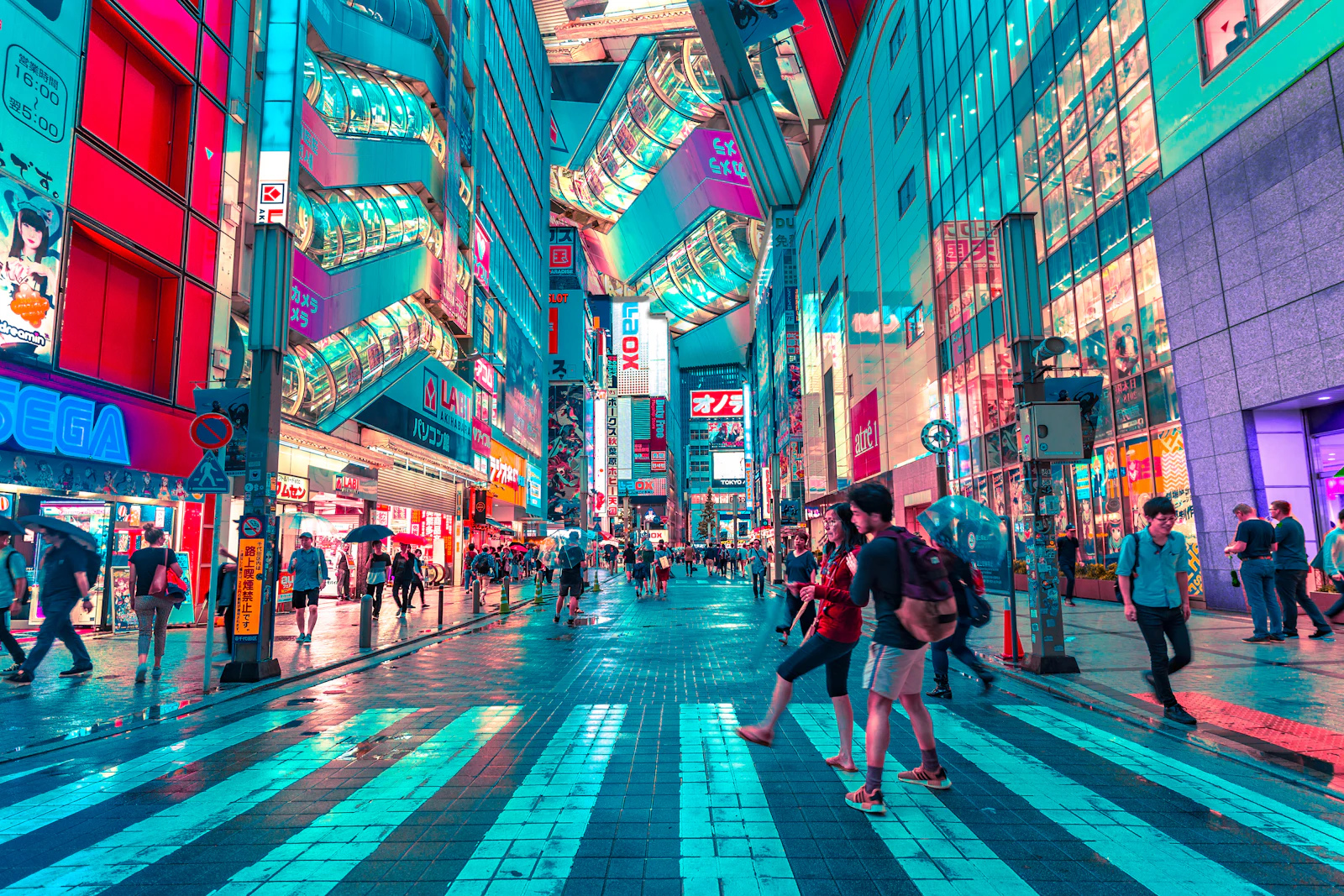
Then build routines that only a place like this allows: a morning swim in Cádiz, a weekend vineyard ride outside Maribor, an evening in Kapana. If food is part of how you travel, our guide to Tokyo's best street food markets shows how much a city reveals through what it eats on the go.
The bottom line
The underrated European towns for remote workers on this list prove that you do not need a capital city to work well abroad. Ghent, Braga, Cádiz, Lecce, Maribor, Plovdiv and Tartu each pair real infrastructure with a pace of life that leaves room for evenings, weekends and curiosity.
None is perfect, and that is the point. Pick the trade-off you can live with, verify the visa and tax rules with official sources, and arrive intending to be a resident for a while rather than a visitor passing through.
Frequently asked questions
Do I need a special visa to work remotely from these towns?
It depends on your nationality and the country. EU and Schengen citizens generally have more freedom of movement, while others may need a specific visa or permit. Several countries offer digital-nomad schemes, but the rules change, so confirm requirements with official government sources.
Is the internet good enough for video calls?
Fast fixed and mobile connections are widely available across much of Europe, including these towns, but quality varies by building. Ask hosts for a recent speed test and keep a mobile data backup.
Which town is best for winter?
Cádiz is the strongest pick for mild, bright winters. Maribor suits those who enjoy snow and skiing, while Tartu and Ghent are better enjoyed in the warmer months.
How long should I stay to make it worthwhile?
A month is a good minimum to settle into routines and find your favourite workspaces. Longer stays usually work out better for your budget, your productivity and the local community.