
Protein Needs After 30: How Much You Really Need and Where to Get It
Protein needs after 30 are surrounded by conflicting advice, from "you're probably deficient" to "double it for your muscles". The official answer for healthy Indian adults is more modest: 0.83 grams per kilogram of body weight a day. What changes with age is less the number than the importance of reaching it consistently, choosing good-quality sources and pairing it with strength training.
Turning 30 does not flip a metabolic switch. But it is around the decade when muscle mass begins a slow decline that, left unchecked, can affect strength, balance and independence much later in life. Protein is one part of the response. Resistance exercise is the other, and arguably the more important one.
This guide uses Indian dietary standards first, because they are based on Indian body sizes and diets, and draws on WHO and peer-reviewed research where the Indian guidance does not go into detail. It is general information, not personalised dietary advice.
What happens to muscle after 30
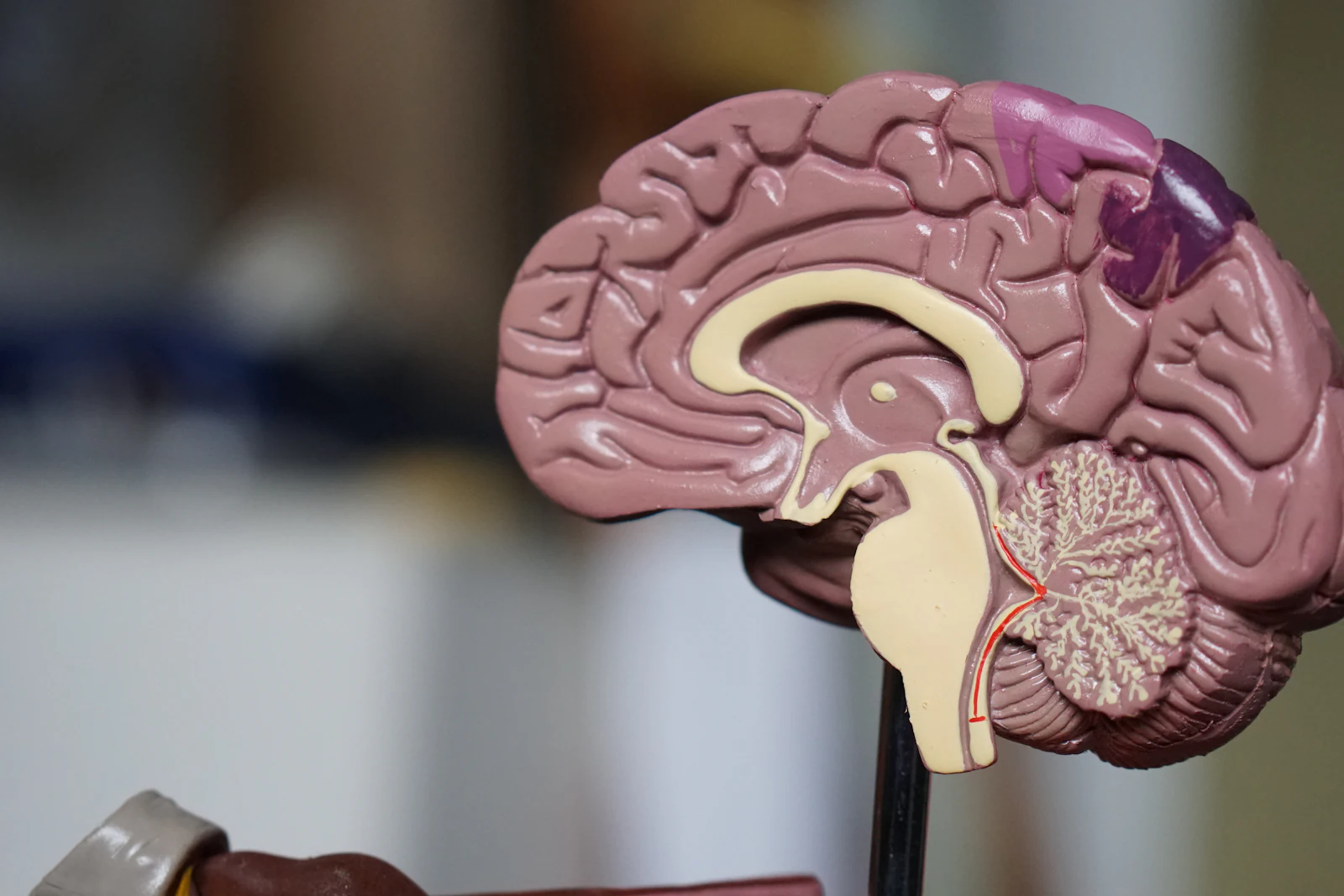
Gradual, age-related loss of muscle mass, strength and function is called sarcopenia when it becomes significant. Harvard Health notes that after age 30, people "begin to lose as much as 3% to 5% per decade". The rate varies widely between individuals and depends heavily on how active they are.
A review in Current Opinion in Clinical Nutrition and Metabolic Care describes sarcopenia as multifactorial, involving hormonal and nutritional changes and inactivity, and notes that resistance and aerobic exercise and nutrition can help. Protein alone does not build muscle; it supports the adaptations that training triggers. That is why the WHO 2020 physical activity guidelines recommend muscle-strengthening activities involving all major muscle groups on two or more days a week for adults.
How much protein you need: the baseline
The Indian Council of Medical Research's National Institute of Nutrition (ICMR-NIN) revised its nutrient requirements in 2020. According to its brief note on the 2020 recommendations:
- The estimated average requirement for healthy adults is 0.66 g/kg/day.
- The recommended dietary allowance is 0.83 g/kg/day, replacing the earlier figure of 1 g/kg/day from 2010.
- For people "consuming cereal-based diet with low quality protein", the requirement is 1 g/kg/day.
- For reference body weights of 65 kg (men) and 55 kg (women), the RDA works out at about 54 g and 46 g a day.
These figures follow the method of the 2007 FAO/WHO/UNU expert report on protein and amino acid requirements, which defined 0.83 g/kg/day as a "safe" intake: enough for 97.5% of healthy adults. The same report states that intakes considerably above this level are not considered a risk for healthy individuals.
In practice, using your own body weight:
| Body weight | 0.83 g/kg (RDA) | 1.0 g/kg (cereal-heavy diet) | 1.2 g/kg |
|---|---|---|---|
| 55 kg | 46 g | 55 g | 66 g |
| 65 kg | 54 g | 65 g | 78 g |
| 75 kg | 62 g | 75 g | 90 g |
When you may need more
Over 65
The PROT-AGE Study Group position paper, from European geriatric medicine experts, recommends that people over 65 eat at least 1.0–1.2 g/kg/day to help maintain muscle and function, at least 1.2 g/kg/day for those who are active or exercising, and 1.2–1.5 g/kg/day for most older adults with acute or chronic illness. It makes an important exception: people with severe kidney disease who are not on dialysis may need to limit protein. These are expert recommendations rather than Indian national guidelines.
If you do regular strength training
A 2018 meta-analysis of 49 trials in the British Journal of Sports Medicine found that extra protein modestly increased gains in strength and muscle during resistance training. Gains in lean mass levelled off at total intakes of around 1.6 g/kg/day, and the benefit of extra protein became smaller with age. The average effect was small (about 0.3 kg of extra lean mass), and one author declared funding from a dairy industry body. In other words, if you lift weights, protein matters, but the training does most of the work.
Pregnancy and breastfeeding
ICMR-NIN's 2020 recommendations add about 9.5 g a day in the second trimester and 22 g a day in the third, and about 16.9 g a day for the first six months of breastfeeding and 13.2 g a day from six to twelve months. Needs in pregnancy depend on much more than protein, so follow the advice of your doctor or midwife.
Protein quality: why combinations matter
Proteins are made of amino acids, some of which (the indispensable or "essential" amino acids) the body cannot make and must get from food. The WHO expert report notes that most cereal proteins are limited by lysine, while legume proteins are limited by the sulphur-containing amino acids. Because each supplies what the other lacks, eating cereals and pulses together improves the overall quality of a meal.
This is the logic behind ICMR-NIN's recommendation that the cereal-legume-milk composition of the diet should be about 3:1:2.5 for good protein quality, set out in the 2020 brief note. The 2020 recommendations also introduced the digestible indispensable amino acid score (DIAAS), a newer way of rating protein quality based on how well individual amino acids are absorbed.
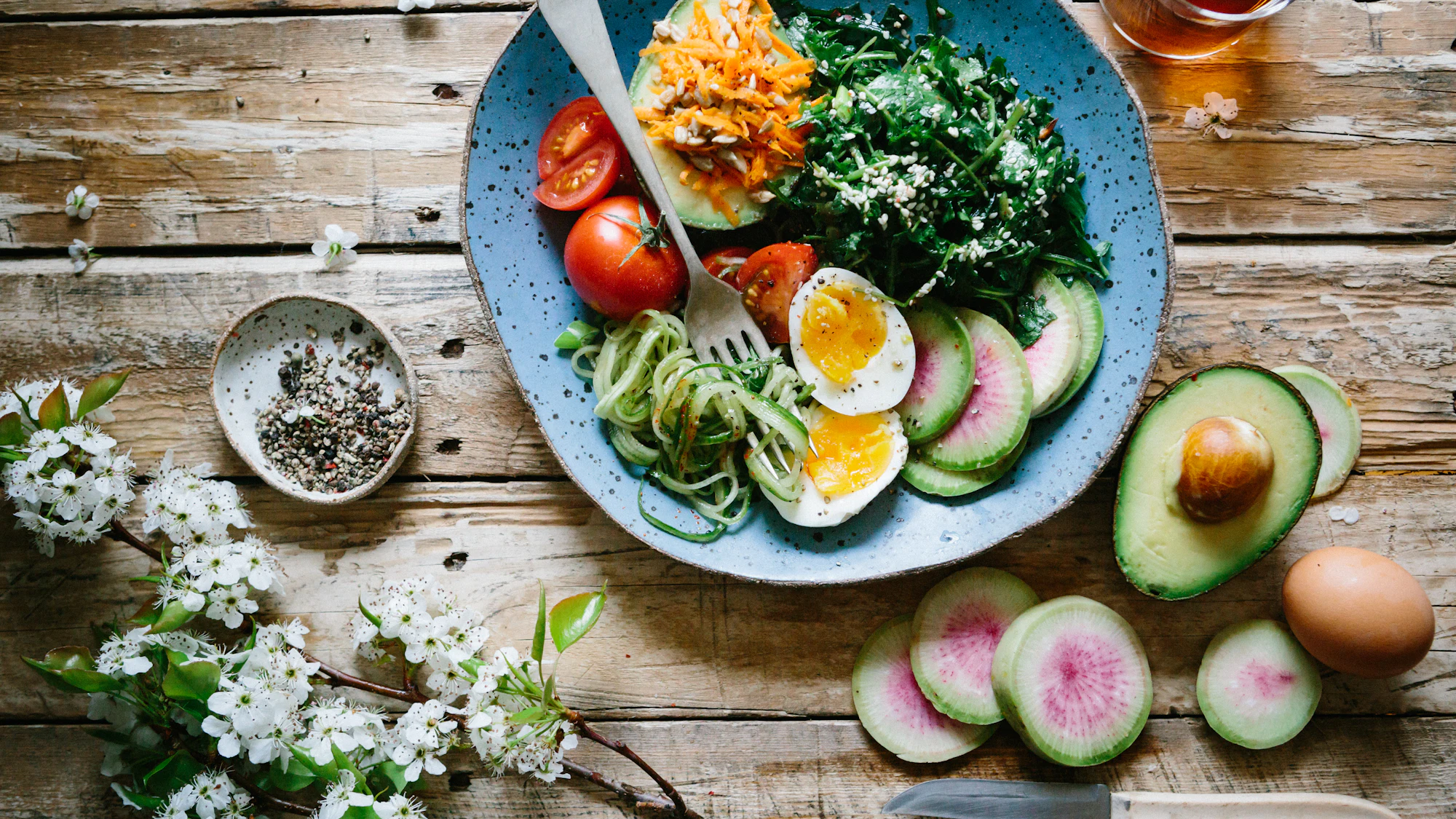
For a vegetarian, traditional pairings already do much of this work: dal with rice, rajma or chana with roti, idli and dosa made from rice and urad dal, and milk or curd on the side. The point is not to combine foods perfectly at every meal but to eat a variety of protein sources across the day.
A katori of dal, a glass of milk and a portion of paneer can cover a meaningful share of the day's protein without a single supplement.
Where to get it: protein in common Indian foods
The values below come from the Indian Food Composition Tables 2017 published by ICMR-NIN. They are for raw (uncooked) foods per 100 g of edible portion; the portion column is a simple calculation from those figures. Cooking adds water, so 30 g of dry dal becomes a much larger bowl once cooked, but it contains the same protein.
| Food (IFCT name) | Protein per 100 g (raw) | Example portion (raw weight) | Protein in portion |
|---|---|---|---|
| Masoor dal (lentil dal) | 24.4 g | 30 g | 7.3 g |
| Moong dal (green gram, dal) | 23.9 g | 30 g | 7.2 g |
| Urad dal (black gram, dal) | 23.1 g | 30 g | 6.9 g |
| Toor/arhar dal (red gram, dal) | 21.7 g | 30 g | 6.5 g |
| Chana dal (Bengal gram, dal) | 21.6 g | 30 g | 6.5 g |
| Rajma, red | 19.9 g | 30 g | 6.0 g |
| Soybean, brown | 35.6 g | 30 g | 10.7 g |
| Groundnut (peanut) | 23.7 g | 30 g | 7.1 g |
| Almond | 18.4 g | 15 g | 2.8 g |
| Paneer | 18.9 g | 50 g | 9.4 g |
| Milk, whole, cow | 3.3 g | 200 g | 6.5 g |
| Milk, whole, buffalo | 3.7 g | 200 g | 7.4 g |
| Egg, whole, boiled | 13.4 g | 50 g | 6.7 g |
| Wheat flour (atta) | 10.6 g | 60 g | 6.3 g |
| Rice, raw, milled | 7.9 g | 60 g | 4.8 g |
| Ragi | 7.2 g | 50 g | 3.6 g |
| Chicken breast, skinless | 21.8 g | 100 g | 21.8 g |
Two things stand out. First, everyday staples such as atta and rice contribute more protein than people expect simply because we eat a lot of them. Second, pulses are the backbone of a vegetarian diet: the review of the 2024 Dietary Guidelines for Indians in the Indian Journal of Medical Research reports a recommended intake of 85 g of uncooked pulses a day, and notes that average intake in India falls well short of this. Using the table above, 85 g of dry pulses provides roughly 17–21 g of protein, depending on the type.
Putting it on a plate: one example day
Here is how a vegetarian day might reach around 55 g of protein, close to the RDA for a 65 kg adult, using the IFCT values above. It is an illustration, not a meal plan; quantities are raw weights.
- Breakfast: moong dal chilla made from 40 g of dal (about 9.6 g), plus 200 g of cow's milk (about 6.5 g).
- Lunch: rotis made from 60 g of atta (about 6.3 g) with toor dal made from 30 g of dal (about 6.5 g) and vegetables.
- Snack: 30 g of roasted groundnuts (about 7.1 g).
- Dinner: 75 g of paneer in a vegetable curry (about 14.1 g) with 60 g of rice (about 4.8 g).
That totals roughly 55 g, with protein spread across the day. Someone aiming for 1.0–1.2 g/kg could add a second bowl of dal, a portion of rajma or chana, or eggs if they eat them.
Does it matter when you eat it?
Many people eat little protein at breakfast and most of it at dinner. In a small 2014 crossover study in The Journal of Nutrition, eight healthy adults ate the same daily protein either spread evenly (about 30 g per meal) or skewed towards the evening. Muscle protein synthesis over 24 hours was about 25% higher with the even pattern. This was a short, small study measuring a laboratory marker, not long-term muscle mass, and the PROT-AGE group concluded that evidence on timing was not yet sufficient for specific recommendations. Spreading protein across meals is reasonable and easy; it is not essential.
What about protein supplements?
According to the Indian Journal of Medical Research review, the 2024 Dietary Guidelines for Indians advise against the regular use of protein supplements to build muscle mass. Most healthy adults can meet their needs from food, which also brings fibre, vitamins and minerals that powders lack.
Supplements can have a place for some people, such as older adults with poor appetite or people recovering from illness, but that decision is best made with a doctor or registered dietitian.
Safety: kidneys and other conditions
For healthy people, a 2018 systematic review and meta-analysis in The Journal of Nutrition of 28 trials found that higher-protein diets did not adversely affect kidney function, measured as glomerular filtration rate, in adults without kidney disease. The authors noted an unclear risk of selection bias in the included trials.
The picture is different if your kidneys are already affected. The KDOQI clinical practice guideline for nutrition in chronic kidney disease sets protein advice specifically for people with kidney disease, and it should be applied by a clinician who knows your test results. For people at risk of kidney stones, the WHO expert report suggested intake of at least the safe level but less than 1.4 g/kg/day, preferably from plant sources, while noting that the evidence on protein and stones was not conclusive.
The bottom line
Protein needs after 30 are not dramatically higher than at 25. For most healthy Indian adults, 0.83 g/kg/day is the official target, rising to about 1 g/kg if your diet is mainly cereals. Older adults and people doing regular strength training may benefit from more, within limits supported by evidence. Pulses, milk, paneer, groundnuts, soya and, for those who eat them, eggs and chicken make it achievable without supplements.
The most useful step is often the simplest: check roughly what you eat now, add a protein source to the meal that lacks one, and pair it with strength training twice a week.
Frequently asked questions
Can vegetarians get enough protein?
Yes. A varied vegetarian diet that includes pulses, milk products, nuts and cereals can meet ICMR-NIN's recommendations. Aiming for the recommended amount of pulses and combining them with cereals and milk improves both quantity and quality.
Is 1 g of protein per kg of body weight too much?
For healthy adults, no. It is the level ICMR-NIN recommends for people on cereal-based diets, and the WHO expert report did not consider intakes well above the safe level harmful for healthy people. People with kidney disease are an exception and need individual advice.
Is cooked dal weight the same as raw weight for protein?
No. Food tables usually list raw values. Cooking adds water, so the protein per 100 g of cooked dal is much lower than per 100 g dry, even though the total protein in the pot does not change.
Should I take a protein powder after the gym?
Not necessarily. Trials suggest that extra protein gives a modest benefit at most once total daily intake is adequate. Meeting your daily total from food is the priority; speak to a dietitian if you struggle to do so.
Sources
- A Brief Note on Nutrient Requirements for Indians, the Recommended Dietary Allowances (RDA) and the Estimated Average Requirements (EAR), ICMR-NIN 2020, ICMR-National Institute of Nutrition, 2020.
- Indian Food Composition Tables 2017, ICMR-National Institute of Nutrition, 2017.
- Dietary guidelines across different countries & comparisons to dietary guidelines for Indians, 2024, Indian Journal of Medical Research, 2025.
- Protein and amino acid requirements in human nutrition: report of a joint FAO/WHO/UNU expert consultation (WHO Technical Report Series 935), World Health Organization, 2007.
- World Health Organization 2020 guidelines on physical activity and sedentary behaviour, British Journal of Sports Medicine, 2020.
- Evidence-based recommendations for optimal dietary protein intake in older people: a position paper from the PROT-AGE Study Group, Journal of the American Medical Directors Association, 2013.
- A systematic review, meta-analysis and meta-regression of the effect of protein supplementation on resistance training-induced gains in muscle mass and strength in healthy adults, British Journal of Sports Medicine, 2018.
- Dietary protein distribution positively influences 24-h muscle protein synthesis in healthy adults, The Journal of Nutrition, 2014.
- Changes in Kidney Function Do Not Differ between Healthy Adults Consuming Higher- Compared with Lower- or Normal-Protein Diets: A Systematic Review and Meta-Analysis, The Journal of Nutrition, 2018.
- KDOQI Clinical Practice Guideline for Nutrition in CKD: 2020 Update, American Journal of Kidney Diseases, 2020.
- Muscle tissue changes with aging, Current Opinion in Clinical Nutrition and Metabolic Care, 2004.
- Preserve your muscle mass, Harvard Health Publishing, 2016.